
Table of Contents
In the ever-evolving landscape of cryptocurrencies, Ripple and its native digital asset, XRP, have emerged as one of the most intriguing and controversial contenders. As a prominent player in the blockchain space, Ripple has garnered significant attention, but also confusion and skepticism.
In this article, we embark on a journey to demystify Ripple and conduct a comprehensive analysis of its underlying technology, use cases, potential benefits, as well as the criticisms and challenges it faces. By delving deep into the workings of XRP, we aim to provide a clearer understanding of its role in the world of cryptocurrencies and its potential impact on the global financial system.
Understanding XRP’s Unique Technology and Its Role in Ripple’s Ecosystem
At its core, XRP is a digital asset that operates on the XRP Ledger, an open-source blockchain technology developed by Ripple. Unlike many other cryptocurrencies, XRP does not rely on traditional mining processes; instead, all 100 billion XRP tokens were pre-mined at its inception, with a significant portion held by Ripple Labs.
The XRP Ledger operates on a unique consensus algorithm called the Ripple Protocol Consensus Algorithm (RPCA). This consensus mechanism relies on a network of validators to reach agreement on the validity and order of transactions, ensuring a fast and secure network with negligible energy consumption. This distinguishes XRP from proof-of-work-based cryptocurrencies like Bitcoin and Ethereum.
One of the primary use cases for XRP lies in facilitating fast and cost-effective cross-border payments within the Ripple ecosystem. Ripple’s suite of financial products, including xCurrent, xRapid, and RippleNet, utilize XRP as a bridge currency for liquidity. XRP serves as a means to enable near-instant settlement of transactions between different fiat currencies, eliminating the need for pre-funded nostro accounts held by banks and financial institutions.
XRP’s Adoption and Real-World Use Cases: A Closer Look at Cross-Border Payments
XRP’s unique technology has garnered attention from banks and financial institutions seeking to streamline their cross-border payment processes. Its adoption has seen steady growth, with Ripple partnering with major players in the financial industry to enhance their international remittance capabilities. By leveraging XRP as a bridge currency, financial institutions can significantly reduce transaction costs and enhance payment speed, improving customer satisfaction.
Several prominent companies, such as MoneyGram, Santander, and American Express, have incorporated XRP into their cross-border payment systems. For instance, MoneyGram’s use of xRapid, which utilizes XRP as a liquidity solution, has resulted in faster and more cost-effective money transfers, benefiting customers and reducing operational expenses.
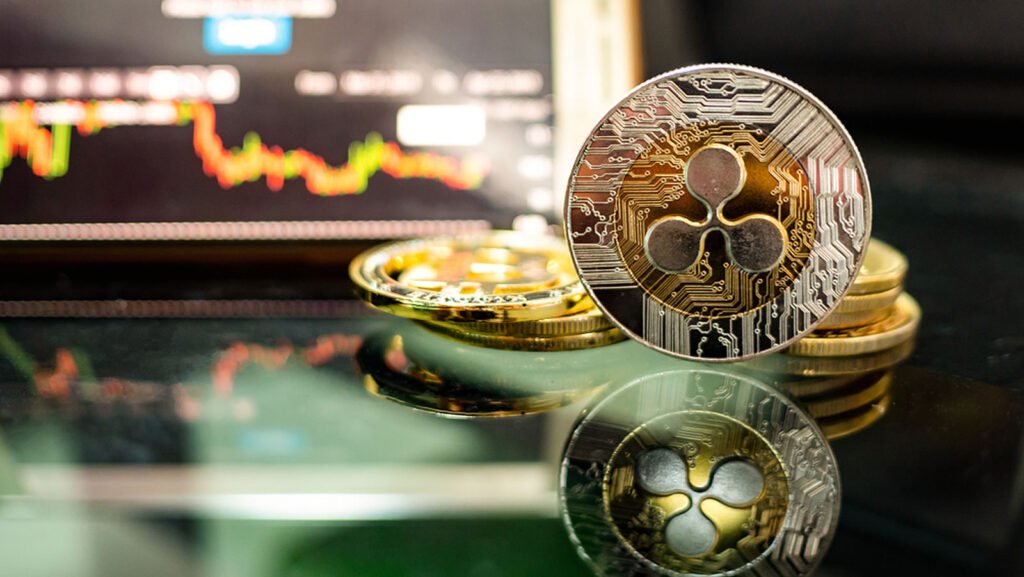
The Ripple Effect: How XRP Impacts the Global Financial Landscape
The rise of XRP and its adoption in cross-border payments has the potential to revolutionize the global financial landscape in several ways:
- Increased Financial Inclusion: The accessibility and affordability of cross-border payments using XRP can enhance financial inclusion by providing individuals in underserved regions with access to reliable and efficient remittance services.
- Reduced Settlement Times: Traditional cross-border payments often take several days to settle, causing delays and uncertainty for businesses and individuals. With XRP’s near-instant settlement capability, the financial industry can become more agile and responsive.
- Lower Transaction Costs: By eliminating the need for multiple intermediary banks and pre-funded nostro accounts, XRP can significantly lower transaction costs, benefitting both financial institutions and end-users.
- Global Economic Impact: The efficient movement of funds enabled by XRP can have a positive impact on international trade, fostering economic growth and cooperation between countries.
Analyzing XRP’s Price Volatility and Its Correlation to Market Trends
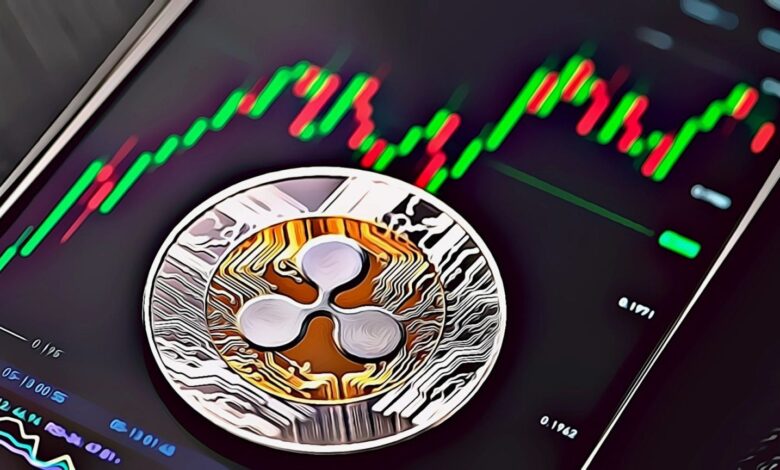
Price volatility is an inherent characteristic of the cryptocurrency market, and XRP is no exception. Over the years, XRP’s price has exhibited periods of substantial volatility, leading to both rapid surges and sharp declines. The factors influencing XRP’s price movements can be attributed to a combination of market sentiment, technological developments, regulatory announcements, and broader economic conditions.
Intriguingly, the price of XRP has shown a correlation with market trends. During bull markets, XRP has often experienced significant appreciation, fueled by heightened investor interest and positive market sentiment. Conversely, during bear markets, the token’s value has faced considerable downward pressure, driven by increased selling pressure and investor risk aversion.
The XRP Community: Examining the Token’s Enthusiastic Support Base
A standout feature of the XRP ecosystem is its vibrant and dedicated community. Unlike many other cryptocurrencies, XRP has garnered significant support from financial institutions, banks, and payment service providers. This backing is primarily due to the Ripple company’s focus on providing real-world solutions for cross-border payments and remittances.
The Ripple company has actively collaborated with financial institutions to integrate its technology, RippleNet, which facilitates fast and cost-effective cross-border transactions using XRP. As a result, XRP’s community has grown beyond retail investors, with institutional stakeholders championing its adoption and utilization.
The XRP community’s enthusiasm and engagement can be seen through various social media platforms, forums, and events where supporters come together to discuss XRP’s potential and advocate for its adoption. However, it is essential to note that Ripple and XRP have faced legal challenges regarding the classification of XRP as a security, impacting the perception and dynamics of the community.
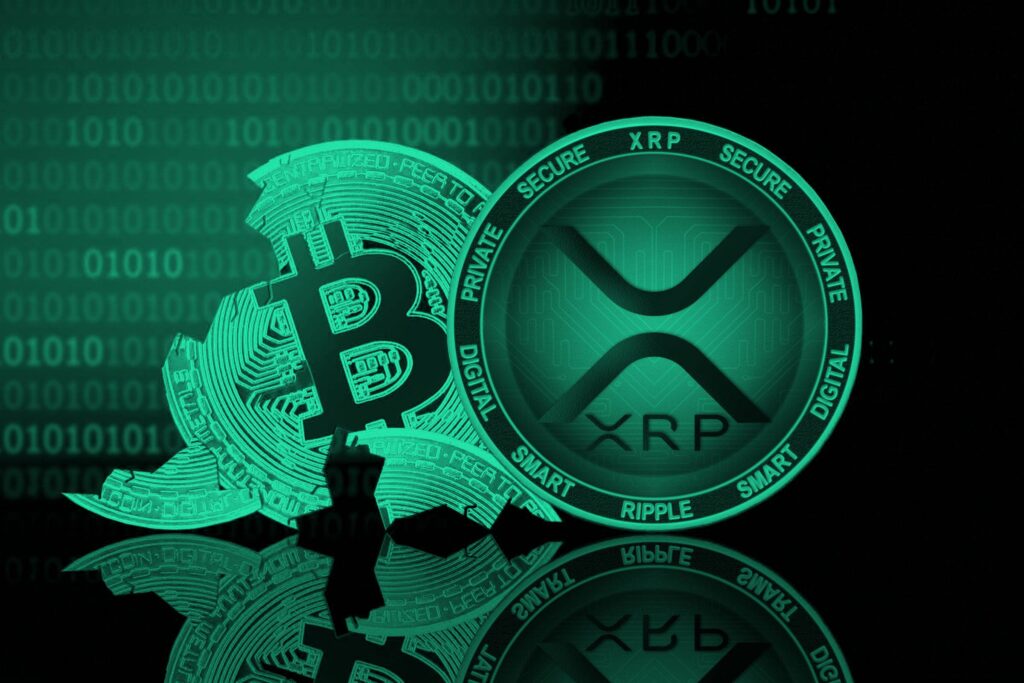
Future Prospects: Predicting XRP’s Potential in the Evolving Cryptocurrency Market
Looking ahead, XRP’s future prospects are a topic of interest for many cryptocurrency enthusiasts and investors. Despite its solid use case and supportive community, XRP faces various challenges. One significant obstacle is the ongoing regulatory uncertainty surrounding the classification of XRP as a security. Regulatory clarity is crucial for XRP to gain broader acceptance and integration into traditional financial systems.
Additionally, XRP faces competition from various other cryptocurrencies and blockchain-based platforms offering similar cross-border payment solutions. Stellar (XLM), for instance, is a direct competitor that also focuses on enabling fast and low-cost cross-border transactions, and its success could impact XRP’s growth potential.
However, if regulatory concerns are addressed, and Ripple continues to expand its partnerships and use cases, XRP’s potential in the cryptocurrency market could be substantial. Its real-world utility as a bridge currency for cross-border transactions and its strong institutional support could drive significant adoption, potentially leading to increased demand and price appreciation.
Also read: Aether Smart Contracts: Enabling Trustless Transactions
FAQS
1. What is Ripple, and what is XRP?
Ripple is a technology company that developed the XRP Ledger, a decentralized blockchain-based platform. XRP is the native digital asset of the XRP Ledger, used to facilitate fast and low-cost cross-border transactions.
2. How does XRP differ from Bitcoin and Ethereum?
While Bitcoin and Ethereum are primarily designed as digital currencies and smart contract platforms, respectively, XRP serves as a bridge currency for cross-border payments, focusing on liquidity and settlement speed.
3. Is XRP a cryptocurrency or a digital currency?
XRP is often referred to as a cryptocurrency due to its digital nature and blockchain technology. However, it differs from traditional cryptocurrencies like Bitcoin in its utility as a medium for fast and efficient transactions.
4. Who uses XRP for cross-border transactions?
Financial institutions and payment service providers (PSPs) are the primary users of XRP for cross-border transactions. Ripple’s technology aims to enhance the speed and cost-effectiveness of global remittances.
5. How does the XRP Ledger achieve consensus without mining?
Unlike proof-of-work (PoW) used by Bitcoin, XRP Ledger utilizes a consensus algorithm known as the Ripple Protocol Consensus Algorithm (RPCA). It relies on a group of trusted validators to confirm transactions and achieve consensus without the need for energy-intensive mining.
6. What advantages does XRP offer for international payments?
XRP’s key advantages include near-instant settlement, low transaction fees, and scalability. These features enable financial institutions to improve cross-border payment services and reduce liquidity costs.
7. How does Ripple work with banks and financial institutions?
Ripple partners with banks and financial institutions to integrate its technology, including RippleNet and On-Demand Liquidity (ODL). RippleNet enables secure and efficient communication between participating institutions, while ODL leverages XRP as a bridge currency for cross-border liquidity.
8. What is the current regulatory status of XRP?
Regulatory status can vary by country and region. As of [Current Date], XRP’s regulatory classification is subject to change, and investors and users should stay informed about the latest updates from relevant authorities.
9. How has XRP’s value evolved over time?
Like other cryptocurrencies, XRP’s value has experienced fluctuations in the market. Its price can be influenced by factors such as market sentiment, adoption rate, technological developments, and overall market conditions.
10. Is XRP a good investment option?
As with any investment, there are risks and potential rewards associated with XRP. Investors should conduct thorough research, consider their risk tolerance, and consult with financial advisors before making investment decisions.
11. What are some challenges faced by Ripple and XRP?
Ripple has encountered legal challenges regarding XRP’s regulatory status, and this can impact its adoption by financial institutions. Additionally, competition from other blockchain-based payment solutions is another challenge for Ripple’s growth.
12. How does Ripple contribute to the blockchain and cryptocurrency industry?
Ripple’s focus on providing practical solutions for real-world financial problems has contributed to the broader adoption of blockchain technology and increased interest in developing efficient payment solutions.
14. How can individuals buy and store XRP securely?
Individuals can purchase XRP from various cryptocurrency exchanges. To store XRP securely, they can use hardware wallets or reputable software wallets that provide adequate security measures.
15. How can Ripple and XRP impact the future of global finance?
Ripple and XRP have the potential to revolutionize global finance by providing faster, cheaper, and more efficient cross-border payment solutions. By reducing transaction times and costs, they may facilitate financial inclusion and enhance economic opportunities worldwide.